In our fast-paced world, stress has become a near-constant companion. But what if a simple, natural technique could help you reclaim calm and improve your overall well-being? Enter diaphragmatic breathing, a method that taps into the body’s innate ability to self-regulate and restore balance. Often referred to as “belly breathing,” this practice focuses on activating the diaphragm, a dome-shaped muscle that plays a vital role in the respiratory process.
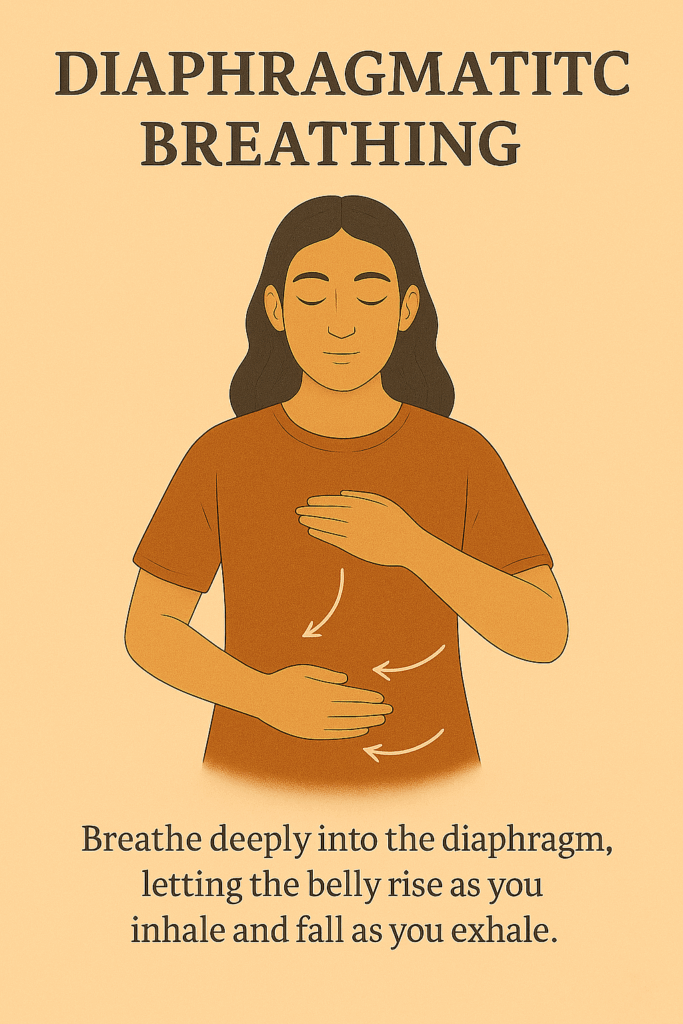
What is Diaphragmatic Breathing?
It is a breathing technique that emphasizes deep, intentional breaths originating from the diaphragm rather than the chest. Unlike shallow chest breathing, which can exacerbate stress and tension, diaphragmatic breathing promotes full oxygen exchange—the beneficial trade of incoming oxygen for outgoing carbon dioxide. This not only helps you feel more relaxed but also improves cardiovascular efficiency and enhances lung function.
The Science Behind the Technique
When you breathe deeply using your diaphragm, you stimulate the vagus nerve, which activates the parasympathetic nervous system—the body’s “rest and digest” mode. This reduces the production of stress hormones like cortisol and promotes a state of relaxation. Regular practice can:
Lower blood pressure
Reduce heart rate
Improve digestion
Enhance mental clarity
Strengthen the immune system
How to Practice Diaphragmatic Breathing
Mastering diaphragmatic breathing is simple and accessible to anyone. Here’s a step-by-step guide:
Find a Comfortable Position
Sit in a chair with your back straight or lie flat on a comfortable surface.
Place one hand on your chest and the other on your abdomen.
Inhale Deeply
Breathe in slowly through your nose, allowing your abdomen to rise while keeping your chest still.
Focus on filling your lungs from the bottom up.
Exhale Completely
Exhale slowly through your mouth, tightening your abdominal muscles to push out as much air as possible.
Let your abdomen fall naturally.
Repeat
Continue this cycle for 5-10 minutes, gradually increasing the duration as you become more comfortable with the practice.
Tips for Success
Be Patient: Like any new skill, diaphragmatic breathing takes time to master. Start with a few minutes each day and build up gradually.
Practice Mindfulness: Focus on the sensation of your breath and the movement of your abdomen. This can enhance the calming effects of the practice.
Incorporate into Daily Life: Use diaphragmatic breathing during stressful moments, before important events, or as part of your meditation or yoga routine.
Applications of Diaphragmatic Breathing
The benefits of diaphragmatic breathing extend beyond relaxation. This technique can be particularly helpful for:
Managing Anxiety: Regular practice can reduce the intensity and frequency of anxiety episodes.
Improving Athletic Performance: Enhanced oxygen delivery supports endurance and recovery.
Supporting Sleep: Deep breathing before bed can promote a more restful night’s sleep.
Chronic Pain Relief: Activating the parasympathetic system can help reduce the perception of pain.
Final Thoughts
Incorporating diaphragmatic breathing into your daily routine is a simple yet powerful way to improve your physical and emotional well-being. Whether you’re seeking stress relief, better sleep, or enhanced focus, this technique offers a natural, accessible solution. Start small, stay consistent, and let the power of your breath transform your life.
Click here to go to the Insights Blog.
Wikipedia Explanation: Diaphragmatic Breathing